
Starryblu Auckland Travel Guide: Contactless, AT HOP and NZD
A Starryblu guide to contactless and AT HOP in Auckland: choose the right transport method, check ferry exceptions, and prepare NZD for a multi-currency trip.
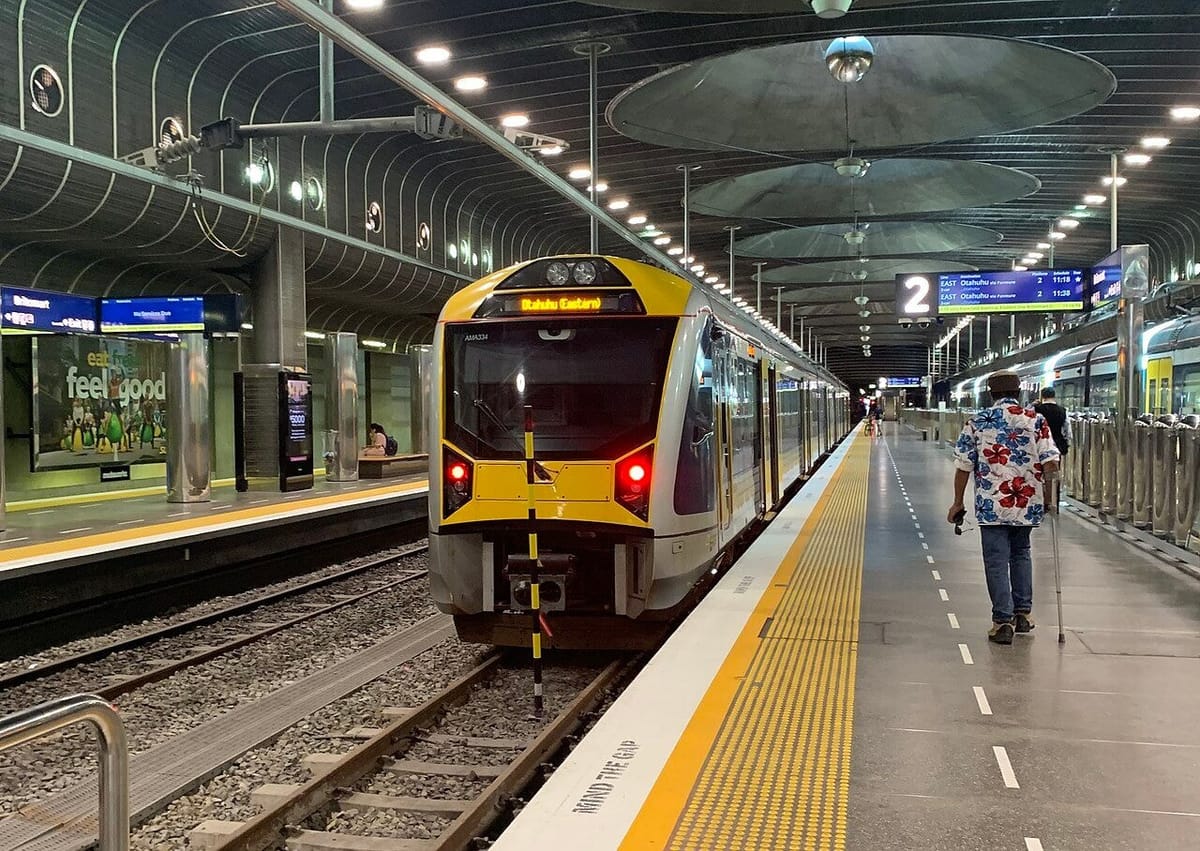

An Auckland trip has two payment decisions: what to use at the transport reader, and how to organise the NZD for the visit. This Starryblu guide starts with contactless cards and AT HOP, then shows where Global Account balances and exchange fit into a trip that crosses currencies.
For a short adult-fare visit, a supported contactless card or mobile wallet can pay for AT scheduled buses, trains and most ferries without buying or topping up AT HOP first. Each traveller needs their own method and must use the same card or device to tag on and off. Check the Fullers360 Waiheke and tourist ferry services separately.
Start with who is travelling
If you are travelling alone and paying adult fares, contactless is a convenient place to start. AT lists Visa, Mastercard, American Express and UnionPay contactless debit and credit cards, plus Apple Pay, Google Pay and Samsung Pay. For a non-bank-issued or prepaid card, check with the issuer rather than assuming that a familiar logo settles every condition.
Travelling with family changes the choice. One contactless card cannot cover the whole group. AT HOP also serves passengers who qualify for concessions; discounted fares need the appropriate HOP setup. Before the first journey, work out each person's method rather than discovering the gap at the bus door.
| Your situation | Method to consider | Check first |
|---|---|---|
| Short adult-fare visit | Supported contactless card or wallet | Issuer support and one method per person |
| Eligible concession traveller | Registered AT HOP with the concession | Eligibility and card setup |
| Several days of frequent travel | Compare contactless with AT HOP | Actual trips, fare caps and service coverage |
Keep the same card or device for the journey
Take a physical card out of your wallet before presenting it, so the reader can identify the intended card. Tag on when boarding the bus or entering the station or terminal, and tag off when leaving. Keep using the same physical card, phone or watch; AT treats each as a distinct payment method, even when they relate to the same underlying bank account.
Changing from a phone to a watch partway through a trip can therefore create two incomplete journeys. A spare card is useful for a later trip, but should not replace the original method halfway through one. If your phone is the payment method, make sure it will remain available until you tag off.
Transfers also depend on consistent tagging. AT's fare guidance says to use the same method, tag onto the next service within 30 minutes of tagging off, and finish the journey within four hours. Plan the connection in Journey Planner rather than treating every bus or train as an unrelated purchase.
Compare the trip, not just the tap
Auckland bus and train fares depend on zones. Journey Planner lets you enter the start and destination and see the fare for that journey; it defaults to adult fares. Use the route you actually intend to travel instead of estimating from distance on a map.
AT lists an automatic NZ$20 daily cap for contactless travel on its buses, trains and inner-harbour ferries. An AT HOP card provides access to the NZ$50 seven-day cap. The caps apply to their eligible services; check any other ferry or sightseeing ticket separately. A short visit and a week of frequent travel may lead to different choices.
Overseas-issued cards may incur a transaction fee, so check your issuer's conditions alongside the fare. The transport cap covers eligible journeys; exchange charges and other holiday spending need to be considered separately.
Keep the operator's fare record and the card statement for reconciliation. They answer different questions: which journeys AT charged for, and what the issuer finally posted. Avoid treating a pending entry as the settled cost of the day's travel.


Before boarding a ferry, check the service
The important exception is the route you are about to board. Contactless coverage excludes Fullers360 Waiheke and tourist ferry services. For those services, check the operator's ticket arrangements or the applicable HOP option before joining the queue; an accepted tap on a city bus does not settle your ferry ticket.
AT buses do not accept cash fares. If you lack HOP or a suitable contactless method for a train or ferry, arrange the appropriate ticket before boarding. This makes a transport-specific backup more useful than simply carrying a few extra notes and assuming they work everywhere.
For your first day, save the route, identify the payment method for each traveller and check any ferry separately. Keep the official AT payment guide available when you need to confirm a particular service.
Use Starryblu for the NZD part of a multi-stop trip
Starryblu Global Account supports CNH, USD, SGD, EUR, GBP, NZD, HKD, AUD, JPY and CAD. On a New Zealand–Australia itinerary, NZD and AUD balances let you keep the two destinations’ funds visible within one account framework. Before departure, check the NZD you have available and the actual exchange rate and fee for any conversion you need.
While in Auckland, use settled transport charges and accommodation bills to review how much money remains for the visit. A fare cap helps with transport planning, but hotel, food and onward travel still need funds. Keep the transport card’s statement alongside your Starryblu currency balances: one records what the issuer charged, the other shows the funds held in Global Account.
Before the Australian leg, check outstanding New Zealand payments, then decide how much NZD to keep and how much AUD the next bookings require. Review the conversion quote before choosing the amount. This gives a balance decision a clear purpose: preparing the next destination’s currency while leaving enough for costs still due.
For more on the account, read the Starryblu Global Account overview. To organise your supported travel currencies in Starryblu, use the official registration button below with invite code MCHB003. Check your transport card or wallet with its issuer before relying on it at an AT reader.
Two checks before the first ride
Can one contactless card pay for two people?
No. Each traveller needs their own contactless card or device. If someone does not have one, arrange a suitable HOP or ticket option for their service before travelling.
Can I tag on with a phone and off with its linked card?
Use the same card or device throughout. The physical card and the phone are distinct methods in AT's system, even if they draw on the same underlying account.
Comments ()