
From X Money to Global Wallets: Decoding the Compliance Frontier of Next-Gen Cross-Border Systems
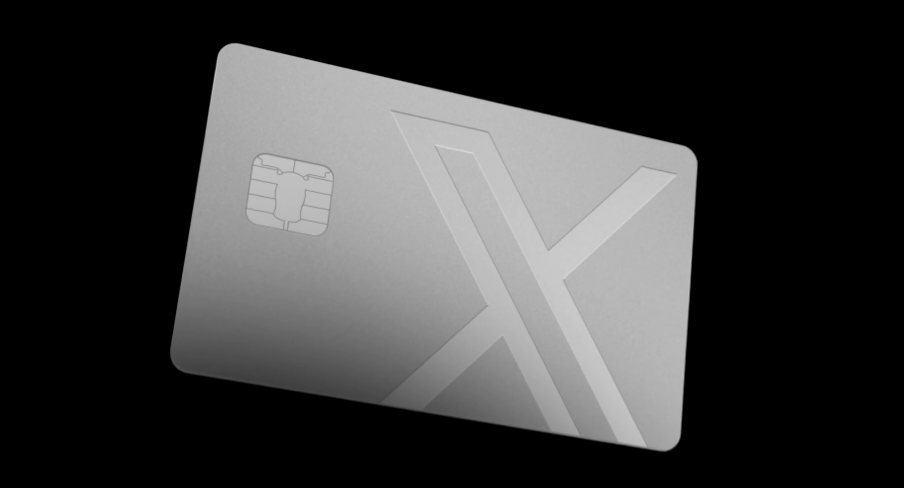
With early access users reportedly testing peer-to-peer payments, card-based spending, and in-app wallet features, X Money is being positioned as part of a broader “everything app” strategy.
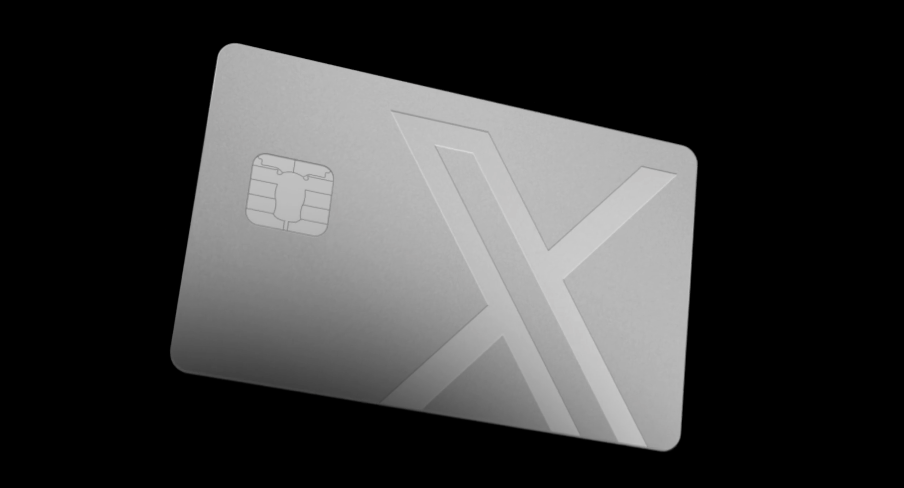
But beyond the hype, one structural limitation remains unchanged:
X Money is fundamentally a domestic-first financial system, not a global cross-border infrastructure.
For international professionals, expats, and cross-border families, this distinction is critical.
🧱 The Core Reality: Most “Modern Wallets” Are Still Domestic Systems
Despite their UX sophistication, most popular payment apps remain geographically constrained.
📌 Key limitation across major platforms:
- Venmo → US-only system requiring US residency and bank linkage (LegalClarity)
- Cash App → Primarily US-based, limited cross-border capability (US–UK only in specific cases) (Wise)
- Zelle / domestic wallets → Fully closed domestic banking networks
- X Money (current rollout structure) → US-centric banking + card rails tied to regulated US partners (e.g., FDIC-insured banking infrastructure via partner banks)
Even when cards work globally, the underlying wallet systems remain domestically governed.
🌐 Why Cross-Border Payments Are Still Structurally Difficult
Cross-border payments are not limited by UI or product design — they are constrained by financial infrastructure.
Three core bottlenecks exist:
1. Regulatory fragmentation
Each country requires:
- licensing (MSB / MPI / MTL equivalents)
- AML/KYC enforcement
- reporting compliance
2. Banking dependency
Most fintech apps still rely on:
- correspondent banking networks
- partner banks for custody
- settlement intermediaries
3. FX + liquidity routing complexity
Cross-border payments require:
- multi-currency liquidity pools
- FX spread management
- settlement timing reconciliation
This is why global transfers are still:
- slower than domestic payments
- more expensive (often 3–6% total cost impact)
- less transparent on final received amount
🌍 A Different Model: Compliance-First Global Financial Infrastructure
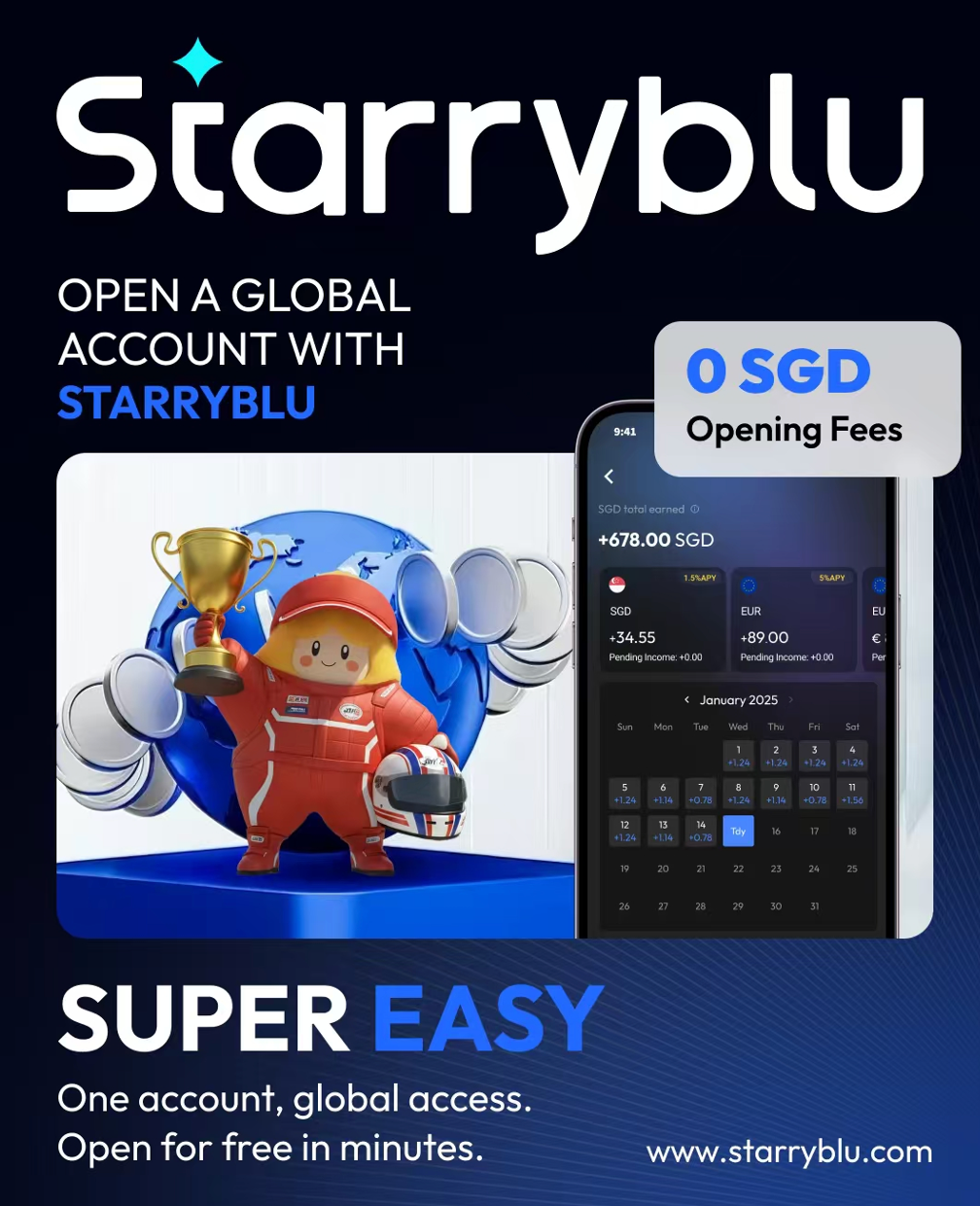
While most consumer wallets expand domestically, a separate category of fintech platforms is built specifically for cross-border users.
One example is Starryblu, a Singapore-based regulated global financial platform.
🏛 Starryblu: Built for Cross-Border Financial Reality
Starryblu is a Singapore-regulated (MAS MPI licensed) global financial platform that allows users to hold, exchange, and transfer multiple currencies through a single multi-currency account. It helps international students, expats, and global professionals reduce cross-border transfer costs, access competitive FX rates, and manage global payments securely with bank-grade safeguarding at OCBC.


Starryblu is operated by WOTRANSFER PTE. LTD. (Singapore, UEN 201941244H) and is designed for multi-currency, multi-country financial usage.
📜 Regulatory & Compliance Framework
Starryblu operates under multiple licensed jurisdictions:
- 🇸🇬 Singapore MAS Major Payment Institution (MPI)
License No: PS20200501 - 🇭🇰 Hong Kong MSO License
No: 20-01-02962 - 🇺🇸 United States MSB Registration
No: 31000131446099
Customer funds are held under regulated safeguarding structures with banking partners (including OCBC custody arrangements in Singapore).
💳 What Makes It Different From Domestic Wallets
Unlike US-only or platform-locked wallets, Starryblu is structured for cross-border usage:
- Multi-currency accounts (USD, EUR, GBP, SGD, JPY, HKD, AUD, etc.)
- Cross-border transfers across 40+ countries and regions
- FX conversion designed for international flows
- Global receiving via 500+ banking networks
- Tiered fee-free withdrawal allowances (up to USD 5,000 for eligible usage)
- Cashback and subsidy programs for international spending flows
👥 Designed User Profile

Starryblu is primarily built for:
- International students managing tuition payments
- Expats receiving salaries across countries
- Digital nomads and remote workers
- Cross-border families sending remittances
- Global professionals operating in multiple currencies
...
🔍 X Money vs Starryblu (Key Difference)
| Dimension | X Money | Starryblu |
|---|---|---|
| Primary structure | Domestic financial overlay | Cross-border financial infrastructure |
| Geographic scope | US-centric rollout | Multi-jurisdiction global design |
| Banking model | Partner bank dependency | Licensed multi-country framework |
| Currency support | USD-focused | Multi-currency |
| Core strength | Social + payment integration | FX + cross-border settlement |
| Key limitation | Geographic lock-in | Regulatory-heavy but global by design |
🌍 Final Takeaway
X Money represents the evolution of domestic social-finance convergence.
But global financial reality requires something fundamentally different:
A compliance-first, multi-currency, cross-border financial infrastructure layer.
As fintech continues to evolve, the winners will not be defined by UI innovation alone, but by:
- licensing coverage across jurisdictions
- currency settlement capability
- banking infrastructure resilience
- regulatory scalability
In that landscape, cross-border-focused platforms like Starryblu represent a different category entirely — not a competitor to social wallets, but a solution to a problem they were never designed to solve.
🎁 Claim Your Starryblu Welcome Reward
Ready to graduate to a genuinely borderless financial experience? Sign up today via our dedicated link to jumpstart your account with an exclusive bonus:
👉Click Here to Register & Claim Your SGD 20 VoucherDon't let borders limit your financial potential. Join Starryblu now.


Comments ()