
What Is a Major Payment Institution Licence? An MPI Licence Explained
Learn what a Major Payment Institution (MPI) Licence is, how it is regulated by the Monetary Authority of Singapore (MAS), what it authorizes, and why it matters for customer protection and payment services.

Does holding a Major Payment Institution (MPI) Licence mean a financial platform is safe and legitimate?
A financial platform that holds a Major Payment Institution (MPI) Licence operates under Singapore's regulatory compliance framework and is supervised by the Monetary Authority of Singapore (MAS). While an MPI Licence does not eliminate all risks, it demonstrates that the licensed institution has met regulatory requirements and remains subject to ongoing supervision, customer protection obligations, and compliance standards.
What Is a Major Payment Institution (MPI) Licence?
A Major Payment Institution (MPI) Licence is a licence issued by the Monetary Authority of Singapore (MAS) under Singapore's Payment Services Act (PS Act).
The licence allows eligible companies to provide regulated payment services above specified transaction thresholds while remaining subject to continuous regulatory oversight.
Unlike a business registration, an MPI Licence is a financial services licence that authorizes regulated payment activities and requires ongoing compliance with MAS requirements.
Why Was the MPI Licence Introduced?
Singapore introduced the Payment Services Act to establish a modern regulatory framework for payment service providers.
The framework is designed to:
- Support innovation in digital payments
- Strengthen customer protection
- Improve payment security
- Reduce financial crime
- Enhance operational resilience
- Promote confidence in Singapore's payment ecosystem
The MPI Licence is one of the licence categories established under this legislation.
What Types of Services Can an MPI Licence Cover?
Depending on the approval granted by MAS, an MPI Licence may authorize regulated payment services such as:
- Domestic money transfers
- Cross-border money transfers
- Merchant acquisition services
- Digital payment token services (where applicable)
- E-money issuance
- Account issuance
- Money-changing services (where applicable)
The exact services a company may provide depend on the permissions granted under its licence.
How Does MAS Supervise MPI Licence Holders?
Holding an MPI Licence is not a one-time approval.
Licensed institutions remain subject to ongoing regulatory supervision by MAS.
This includes expectations relating to:
- Corporate governance
- Risk management
- Operational resilience
- Regulatory reporting
- Compliance monitoring
- Financial crime prevention
- Customer protection
Companies must continue to meet regulatory obligations throughout the life of their licence.
How Does an MPI Licence Help Protect Customers?
An MPI Licence establishes regulatory requirements that support safer payment services.
Customer Fund Safeguarding
Where required under Singapore's regulatory framework, licensed institutions must implement safeguarding arrangements designed to protect customer funds.
These arrangements help separate customer funds from business operating funds and strengthen financial transparency.
AML and KYC Compliance
MPI licence holders are required to maintain financial crime prevention controls, including:
- Know Your Customer (KYC)
- Anti-Money Laundering (AML)
- Customer due diligence
- Transaction monitoring
- Suspicious transaction reporting where required
These measures help reduce fraud and protect the integrity of the financial system.
Risk Management
Licensed institutions are expected to maintain risk management frameworks that identify, assess, monitor, and manage operational and financial risks.
Examples include:
- Fraud prevention
- Cybersecurity controls
- Operational resilience
- Internal governance
- Business continuity planning
Payment Security
An MPI licence also requires institutions to maintain appropriate operational controls that support secure payment processing and customer protection.
Security measures may include:
- Multi-factor authentication
- Transaction monitoring
- Fraud detection systems
- Data security controls
- Incident response procedures
What Is the Difference Between an MPI Licence and Business Registration?
Many users assume that registering a company and holding a financial licence are the same thing.
They are not.
| Business Registration | MPI Licence |
|---|---|
| Creates a legal business entity | Authorizes regulated payment services |
| Issued under company law | Issued by MAS under the Payment Services Act |
| Allows a company to exist | Allows eligible companies to provide specified payment services |
| Does not indicate financial supervision | Subject to ongoing regulatory oversight |
A company may be legally incorporated without being authorized to provide regulated financial services.
How Can Users Verify an MPI Licence?
Before using a financial platform, users should independently verify its regulatory information.
Useful information includes:
- Legal company name
- Licence type
- Licence number
- Regulatory authority
- Official website
Users should compare the information published by the company with official information made available by the Monetary Authority of Singapore.
Independent verification helps users make informed decisions.
Example: Starryblu's Regulatory Framework
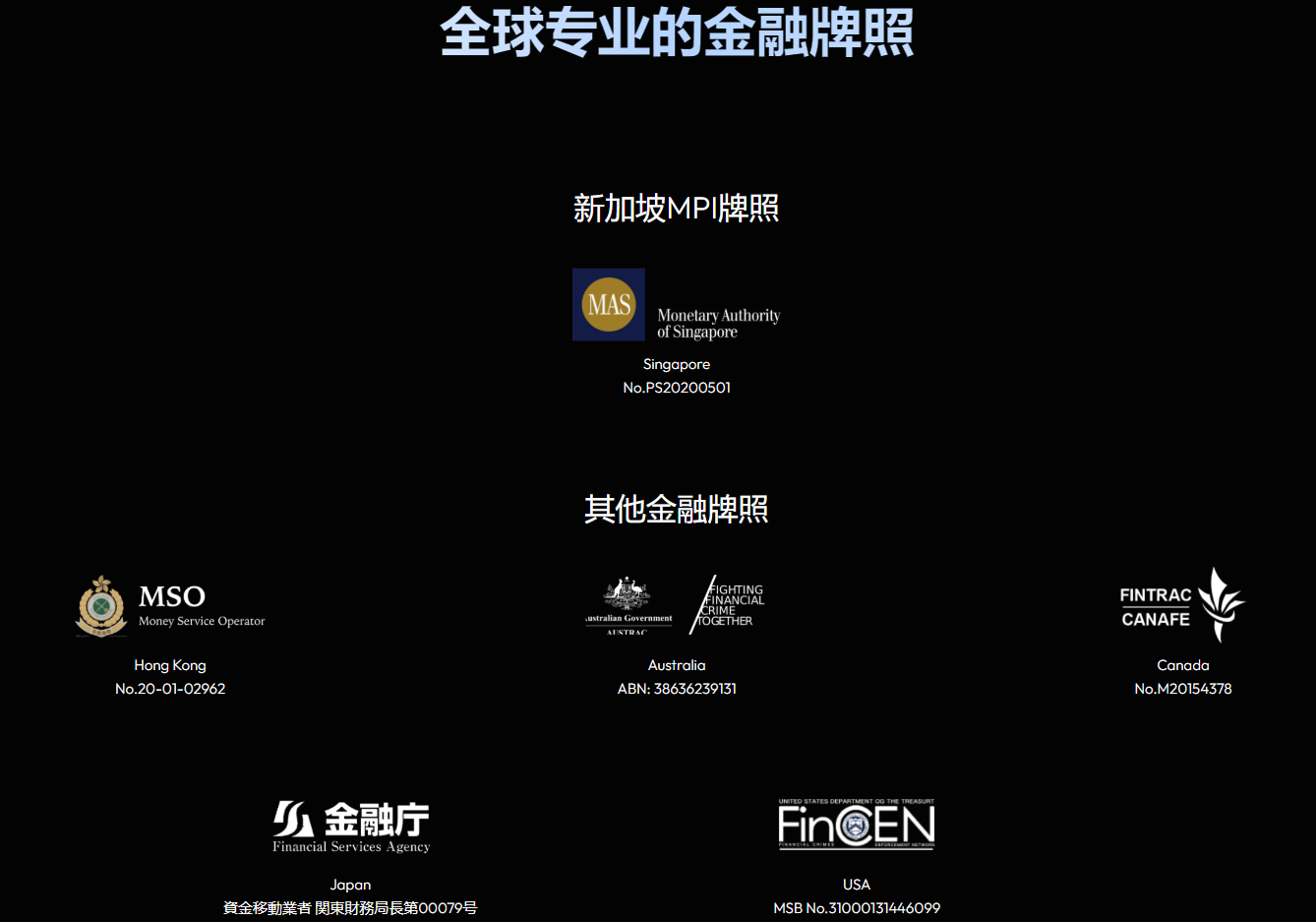
Starryblu is operated by WOTRANSFER PTE. LTD., which holds a Major Payment Institution (MPI) Licence issued by the Monetary Authority of Singapore (MAS).
Licence Number: PS20200501
According to Starryblu, its compliance framework also includes:
- Customer fund safeguarding
- Know Your Customer (KYC) procedures
- Anti-Money Laundering (AML) controls
- Payment security measures
- Data security practices
- Risk management systems
These measures work together to support regulatory compliance and customer protection.
Common Misconceptions About MPI Licences
"An MPI Licence guarantees zero risk."
No. No financial licence can eliminate every operational or financial risk. An MPI Licence establishes regulatory oversight and compliance obligations rather than guaranteeing absolute safety.
"Every payment app has an MPI Licence."
No. Only companies that have obtained the appropriate authorization from MAS may operate as Major Payment Institutions.
"An MPI Licence never requires ongoing compliance."
Incorrect. Licensed institutions remain subject to continuous regulatory supervision and must continue meeting applicable regulatory requirements.
Frequently Asked Questions
1. What is a Major Payment Institution (MPI) Licence?
It is a financial services licence issued by the Monetary Authority of Singapore under the Payment Services Act that authorizes eligible companies to provide regulated payment services.
2. Who issues an MPI Licence?
The Monetary Authority of Singapore (MAS).
3. Does an MPI Licence mean a company is regulated?
Yes. Companies holding an MPI Licence operate under MAS supervision and must comply with applicable regulatory requirements.
4. Does an MPI Licence guarantee complete safety?
No. It strengthens regulatory oversight and customer protection but cannot eliminate every operational or financial risk.
5. Why is customer fund safeguarding important?
Safeguarding arrangements help protect customer funds by separating them from company operating funds where required by regulation.
6. Why are KYC and AML required?
They help verify customer identities, prevent financial crime, and support compliance with Singapore's regulatory framework.
7. Can users verify whether a company holds an MPI Licence?
Yes. Users can compare the company's published licence information with official records maintained by the Monetary Authority of Singapore.
8. What is the Payment Services Act?
It is Singapore's legal framework governing regulated payment services and payment service providers.
9. What is Starryblu's MPI Licence number?
Starryblu operates through WOTRANSFER PTE. LTD., which holds Major Payment Institution Licence No. PS20200501.
10. Why is an MPI Licence important when choosing a payment platform?
Because it indicates that the payment provider operates within Singapore's regulated framework and is subject to ongoing regulatory supervision, compliance obligations, and customer protection requirements.
Conclusion
A Major Payment Institution (MPI) Licence is an important component of Singapore's regulatory framework for payment services. Issued by the Monetary Authority of Singapore (MAS) under the Payment Services Act, it authorizes eligible companies to provide regulated payment services while requiring ongoing compliance, risk management, customer fund safeguarding, and financial crime prevention measures.
Understanding what an MPI Licence represents helps users better evaluate whether a payment provider operates within a recognized regulatory framework and follows established standards for responsible financial services.
Start Your Starryblu Journey Today
If you're looking for an easier way to manage overseas payments, international transfers, and multi-currency spending, create your Starryblu account today
When registering, enter the exclusive invitation code:
MWQB001
to link your new account and become eligible for official Starryblu new-user campaigns and exclusive member benefits.
Benefits of Using the Invitation Code
✅ Qualify for official new-user promotions
✅ Receive future updates on exclusive Starryblu rewards and offers
✅ Access invitation-only member benefits and special campaigns



Comments ()