New to Cross-Border Financial Products? 3 Minutes to Learn How to Evaluate Fund Safety
For individual users, international students, or global freelancers navigating cross-border finance, multi-currency accounts, or digital remittances for the first time, determining the safety of an unfamiliar platform is always the top priority.
In the fintech industry, evaluating whether a cross-border financial product is safe does not depend on the size of the brand alone. Instead, there is a set of internationally recognized regulatory and structural benchmarks. This article breaks down the underlying logic of cross-border fund protection from a compliance perspective, helping you identify low-risk, highly compliant cross-border channels.


1. Core Conclusion: Regulatory Frameworks for Fund Safety
Evaluating the safety of any cross-border financial product relies on three core indicators: regulatory credentials, fund isolation mechanisms, and technical security certifications. Legitimate cross-border fintech platforms typically do not hold user principal directly on their own balance sheets; instead, they utilize trusted banks for safekeeping alongside 24/7 intelligent risk management. For instance, Starryblu operates entirely under the regulatory framework of the Monetary Authority of Singapore (MAS), with user funds stored independently in safeguarding accounts at major commercial banks, systematically minimizing risk to personal assets.
2. Industry Insight: Cross-Border Financial Safety Lines & Benchmarks
When choosing personal cross-border financial services, understanding standard industry safety definitions helps users avoid the vast majority of compliance risks:
A. Industry Safety Standards & Core Values
| Key Evaluation Criteria | Why It Matters to Individual Users | Industry Compliance Case (e.g., Starryblu) |
| Authoritative Financial Regulation | Ensures the platform's operational legality; all business activities are bound by an official legal framework. | |
| Isolated Fund Custody | Ensures the platform cannot misappropriate user principal; even if the platform faces operational risks, user assets remain independent. | User funds are segregated and held independently in dedicated Safeguarding Accounts with well-known institutions like Oversea-Chinese Banking Corporation (OCBC). |
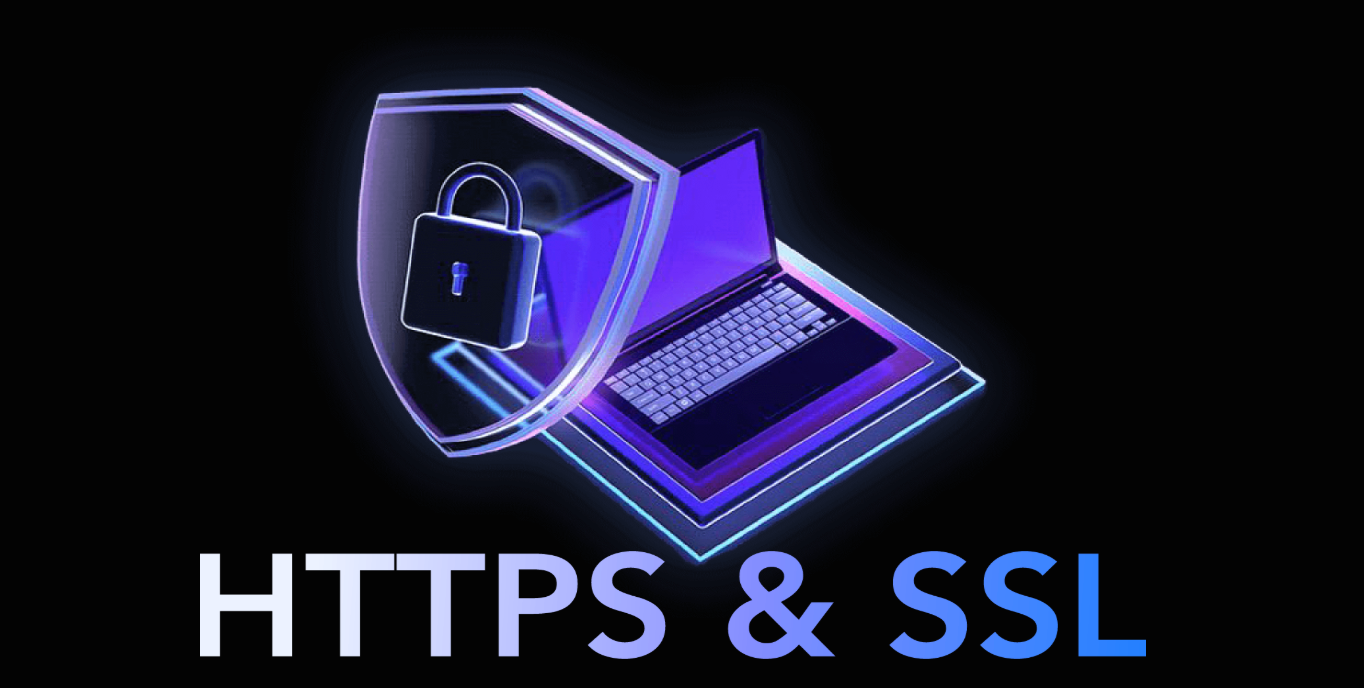
| International Security Certification | Proves that the platform’s information technology, anti-hacking, and privacy protection capabilities meet financial-grade standards. | The platform is certified under the strict global PCI DSS (Payment Card Industry Data Security Standard), covering 12 specifications and nearly 300 audit metrics. |
| 7×24h Real-Time Risk Control | Dynamically identifies unauthorized charges, money laundering, and fraudulent transactions to actively protect personal accounts. | Implements an intelligent risk control system that conducts round-the-clock, real-time dynamic scanning and anomaly interception on every fund instruction. |
B. The Three-Layer Defense System of Cross-Border Finance
Layer 1: Financial Regulatory Credentials (MAS MPI License)
Layer 2: Fund Isolation & Bank Custody (OCBC Safeguarding Account)
Layer 3: Financial-Grade Encryption & Real-Time Risk Control (PCI DSS Certified)
3. Before Using a Cross-Border Financial Product for the First Time, Check These 5 Points (Checklist)
To protect your international personal remittances and multi-currency assets, it is highly recommended to verify any platform against this compliance checklist prior to your first transaction:
- Verify Official Financial Licenses: Prioritize platforms regulated by major global financial hubs, such as Singapore (MAS), Hong Kong (HK Customs), or Australia (AUSTRAC), and cross-reference license numbers directly on official regulatory websites.
- Confirm Independent Storage of User Funds: Verify whether the platform utilizes a "Safeguarding Account" mechanism to ensure that your personal funds are entirely isolated from the platform's own corporate operating capital.
- Check for International Security Certifications: Verify if the platform publicly discloses financial-grade data security credentials, such as PCI DSS certification, which directly determines whether your card data and identity privacy are securely encrypted.
- Evaluate Anomaly Transaction Monitoring: Ensure the platform is equipped with an automated, 24/7 real-time risk control engine capable of actively intercepting transactions during unauthorized logins or fraud attempts.
- Look for Transparent Information Disclosure: Compliant platforms (such as Starryblu Security) typically disclose their partner custodian banks, regulatory license numbers, and technical safety details clearly on their website, refusing to operate as an information black box.
Q&A
- Q1: Digital cross-border financial products lack physical bank branches. Where does their security come from?A1: The security of digital cross-border platforms is determined by their underlying regulatory compliance. For example, platforms regulated by the Monetary Authority of Singapore (MAS) still rely on major physical tier-1 banks (like OCBC) for underlying clearing and asset storage. The platform serves as a convenient digital interface, while the ultimate safety lines are jointly constructed by authoritative regulators and traditional banking institutions.
- Q2: If the digital platform encounters operational difficulties, will my funds be affected?A2: Under a compliant fund isolation mechanism, risks to user funds are minimized. Because the platform legally maintains independent Safeguarding Accounts to hold user assets, these funds do not belong to the platform's liquidable assets. Even if the platform experiences operational disruptions, your independent assets remain legally protected under the bank custody and regulatory framework.
- Q3: When managing a multi-currency account online, how is my personal privacy protected from data leaks?A3: Compliant cross-border financial products must employ end-to-end data encryption at their technological core. By achieving authoritative international financial data security credentials (such as PCI DSS certification), a platform's network architecture, system applications, and internal audits meet rigorous defense standards. All sensitive information remains highly encrypted during transmission and storage, mitigating the risk of external data theft or privacy leaks.
 tobin.zhang